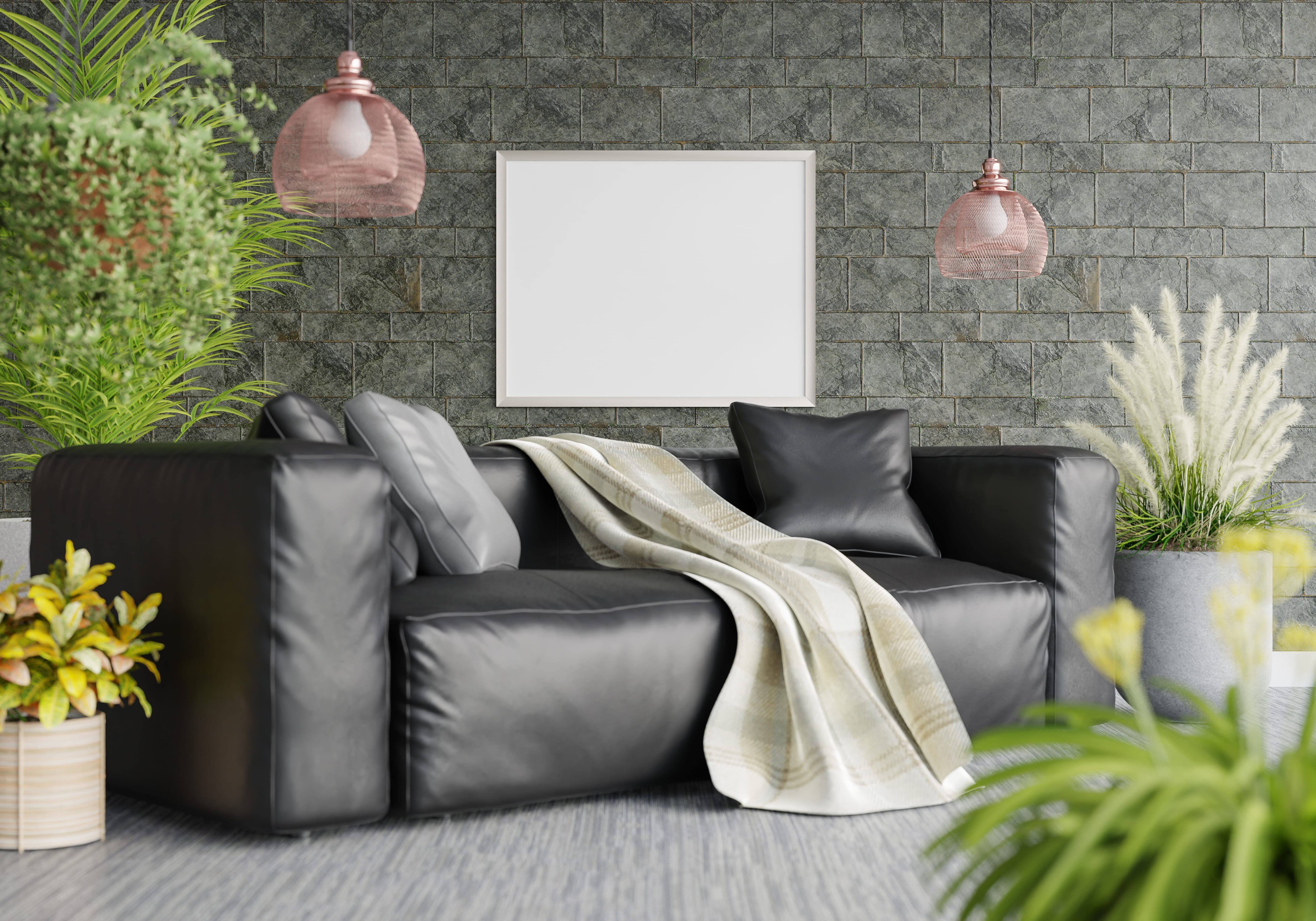
The Allure of Leather Sofas in the UK: A Comprehensive Guide
Leather sofas have long been a staple in furniture, revered for their durability, comfort, and ageless appeal. In the UK, purchasers are progressively drawn to these sophisticated pieces of furniture, typically seeing them as an investment rather than a mere addition to their living area. This article checks out the different elements of leather sofas readily available in the UK, including types, styles, upkeep, and essential factors to consider for potential purchasers.
The Appeal of Leather Sofas
Leather sofas provide numerous benefits that interest UK house owners:
- Durability: High-quality leather is inherently durable. It can hold up against the wear and tear of every day life, making it an ideal choice for families or anyone looking for lasting furniture.
- Visual Appeal: With their stylish, polished look, leather sofas boost any room's decoration, including a component of elegance.
- Easy Maintenance: Unlike fabric sofas, leather requires less frequent deep cleansing and is less vulnerable to absorbing spills and spots.
- Convenience: Over time, leather establishes a special patina, becoming softer and more comfortable with age.
- Variety: Leather sofas can be found in various styles, colors, and finishes, enabling personalization according to individual tastes and choices.
Kinds of Leather
When exploring leather sofas, it's essential for prospective purchasers to comprehend the kinds of leather included. Here are the most frequently used options:
| Leather Type | Description |
|---|---|
| Complete Grain | The highest quality leather, showcasing natural flaws. |
| Top Grain | A little processed to remove imperfections but still retains a natural appearance. |
| Corrected Grain | Sanded and colored to attain an uniform appearance; typically more affordable. |
| Bonded Leather | Made from remaining leather pieces and bonded together with polyurethane; it's budget-friendly but less resilient. |
Designs of Leather Sofas
Leather sofas are available in numerous styles suited to diverse home settings. Below are some popular styles to consider:
- Traditional: Typically including deep seating, high backs, and ornate detailing, traditional leather sofas bring a classic touch to any room.
- Modern: Characterized by minimalist lines, modern leather sofas often utilize geometric styles and bold colors, fitting effortlessly into contemporary areas.
- Chesterfield: A definitely British design, Chesterfield sofas are well-known for their tufted upholstery and rolled arms, using both sophistication and comfort.
- Sectional: Perfect for larger living areas, sectional leather sofas can be customized and configured to fit the space's layout, typically consisting of recliner sections and extra seating.
- Sleeper: These versatile pieces can change from a stylish sofa to a practical bed, ideal for accommodating over night guests.
Keeping Leather Sofas
To make sure longevity and keep the charm of leather sofas, appropriate care and upkeep are crucial. Here are some tips:
- Regular Dusting and Vacuuming: Use a soft, dry fabric or a vacuum attachment to get rid of dust and debris from the surface.
- Wipe Up Spills Immediately: Quick action can assist avoid stains. Dab spills with a clean, soft cloth-- avoid scrubbing.
- Conditioning: Use a leather conditioner every 6-12 months to keep the material hydrated and avoid cracking.
- Avoid Direct Sunlight: Prolonged exposure to sunlight can cause the leather to fade. If possible, place the sofa away from direct sunshine or use curtains to obstruct extreme light.
- Limit Heat Exposure: Positioning leather sofas near radiators or heat sources can dry the leather; keep a safe range.
Factors to consider Before Buying
When thinking about the purchase of a leather sofa, potential purchasers need to take into consideration a number of elements:
- Budget: Leather sofas can vary substantially in price. Determine Sofas And Couches before exploring choices to prevent overspending.
- Size and Space: Measure your intended space thoroughly to guarantee the sofa fits conveniently without overwhelming the room.
- Lifestyle: Consider the number of users and their needs. Households with kids or pets might prefer more resilient types of leather.
- Design and Color: Choose a design that complements your existing decoration and a color that suits your personal taste.
Often Asked Questions
1. How do I identify the quality of a leather sofa?
- Try to find the type of leather used, the building quality (e.g., strong wood frames), and consumer reviews. Complete grain and top grain leathers usually suggest higher quality.
2. Are leather sofas suitable for homes with animals?
- Yes, however it's vital to select a long lasting leather type, like top grain or fixed grain, and take procedures to protect it from claws and other possible damage.
3. Can I apply any cleaning product to my leather sofa?
- No, it's crucial to use products particularly designed for leather. Avoid extreme chemicals that can harm the finish.
4. What is the distinction in between bonded leather and genuine leather?
- Bonded leather is made from scraps of leather bonded with synthetic products, making it less long lasting than genuine leather, which is made from entire hides.
5. How can I eliminate scratches on my leather sofa?
- Small scratches can typically be rubbed out with a little leather conditioner. Deeper scratches might need expert repair work.
Leather sofas are a wise financial investment for those looking to enhance their living area with convenience, sturdiness, and style. Understanding the different kinds of leather, designs readily available, maintenance practices, and crucial factors to consider can empower UK buyers to make informed choices. By focusing on quality and care, a leather sofa can stay a gorgeous centerpiece in the home for many years, standing as a testimony to the adage that some things really improve with age.